- Introduction
- Defining Augmented Reality & Who Coined the Term
- Statistical Landscape: AR in Retail & Marketing
- Consumer behavior statistics
- Real-Life AR Marketing Campaigns & Use Cases
- Pepsi Max: AR Bus Stop Display
- IKEA: AR Product Visualization App & Social Integration
- Sephora & Beauty / Cosmetics Try-On Apps
- Social Media AR Filters & Experiences
- Why AR Marketing Works (The Mechanisms)
- Challenges & What to Watch Out For
- How to Plan a Successful Augmented Reality Marketing Campaign
- Looking Ahead: Trends & Forecasts
- Conclusion
Augmented Reality in Marketing Examples: Real-Life Success Stories & What Drives Them (2025)
Published on 10/16/2025
Quick Summary
Augmented reality marketing helps brands create immersive, interactive experiences that boost engagement, reduce purchase hesitation, and increase sales. This guide explains what AR marketing is, who coined the term, real-world campaign examples, retail statistics, benefits, challenges, and how marketers can plan successful augmented reality campaigns backed by data.

“We were coming out of a meeting about the wire-bundling boards, and on the way to the bathroom I realized we were augmenting the user’s reality.” — Thomas P. Caudell Popular Science Techopedia
Introduction
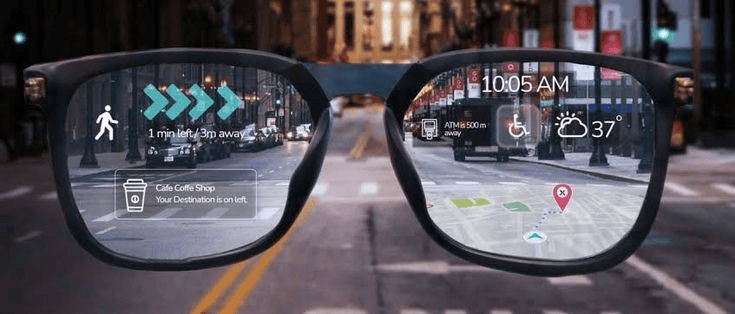
Augmented reality (AR marketing) is no longer a futuristic concept. Brands are increasingly using augmented reality apps and AR social media marketing campaigns to connect with customers, boost engagement, and increase sales. With consumers expecting more immersive and interactive shopping experiences, the use of augmented reality in retail market strategies is accelerating fast. In this post, we’ll explore how AR marketing works, real-life examples of successful AR campaigns, hard statistics backing its growth, and how marketers can leverage it effectively.
Defining Augmented Reality & Who Coined the Term
- The term augmented reality was first coined in 1990 by Thomas P. Caudell, a researcher at Boeing. Along with David Mizell, he developed a system using a head-mounted display to overlay wiring diagrams over real aircraft parts, as a way to replace large plywood boards used in manufacturing. Techopedia
- Caudell’s insight was that by adding digital information over the existing real world, you can simplify manual tasks. His quote above captures the moment of realizing that what they were doing is “augmenting the user’s reality.” Popular Science
Statistical Landscape: AR in Retail & Marketing
To understand why AR marketing is taking off, here are some key numbers:
| Metric | Value / Trend | Implication for Marketers |
|---|---|---|
| Global augmented reality in retail market size in 2024 | ~ USD 7.84 billion Grand View Research | There is already a multi-billion dollar baseline—this is not experimental. |
| Forecast to 2033 for AR in retail | USD 105.87 billion, CAGR ~ 32.4% Grand View Research | Rapid growth — big opportunity for early/mid adopters. |
| Market size from 2024 to 2030 (retail AR) | From $19.9B in 2024 to $64.4B by 2030; CAGR ~ 21.6% Globe News wire | Shows sustained investment and demand. |
| AR in retail market 2025 growth | From ~ US$2.68B (2024) → US$3.53B in 2025; CAGR ~ 31-32% predicted to 2029 The Business Research Company | Short-term growth is steep – marketing teams need to move quickly to catch up |
Consumer behavior statistics
~ 61% of consumers prefer AR-based product visualization before purchase; return rates up to 25% lower in categories using AR product visualization; mobile AR active users ~ 1.7 billion ≈ across various reports.
These trends show that augmented reality marketing is now not only feasible but valuable. Consumers are ready for AR experiences; retailers and brands are scaling them; and real return-on-investment is being realized.
Real-Life AR Marketing Campaigns & Use Cases
Below are several examples of how augmented reality marketing campaigns and augmented reality apps are working in practice, especially in retail and social media.
Pepsi Max: AR Bus Stop Display
What they did: Pepsi Max transformed a bus stop in London into an immersive AR experience (giant robots firing lasers, asteroids crashing, etc.) using depth mapping and live video feed. augmia
Results:
• 8 million+ YouTube views. augmia.io
• 3 million views in the first 5 days. augmia.io
• Earned media reach (PR, shares) ~ 385 million people. Shopify
• Sales increased by 35% YoY during campaign month. augmia.io
What marketers can learn: Creating a spectacle with AR in publicly highly visible locations can generate huge reach; pairing it with social media amplification and shareable content can multiply impact.
IKEA: AR Product Visualization App & Social Integration
What they did: IKEA’s AR apps allow customers to visualize furniture in their own homes via augmented reality apps, before purchasing. They also integrate AR into catalogues and social media campaigns. SalesHub
Results:
• By visualizing products in AR, returns in certain furniture & home decor categories dropped by up to 25%. Stratistics MRC SalesHub
• Sales uplift: some reports of 35% increase in conversions in certain product lines after adding AR visualization. SalesHub
What marketers can learn: In retail, especially, home décor/furniture, the inability to physically evaluate products (size, fit, look, scale) is a pain point. AR that allows product visualization alleviates that, builds confidence, and reduces returns.
Sephora & Beauty / Cosmetics Try-On Apps
What they did: Sephora’s app (e.g. “Virtual Artist”) and other beauty brands use AR to let customers try on makeup via mobile AR, virtually overlaying lipstick, eye shadow, etc. SalesHub
Results:
• Higher app engagement (sometimes 50%+ increases) among users who try on products via AR. SalesHub
• Improved conversion rates vs standard browse-and-buy models. SalesHub
What marketers can learn: For products where look and style matter, augmented reality marketing adds big value; it bridges the gap between physical try-on and online convenience.
Social Media AR Filters & Experiences
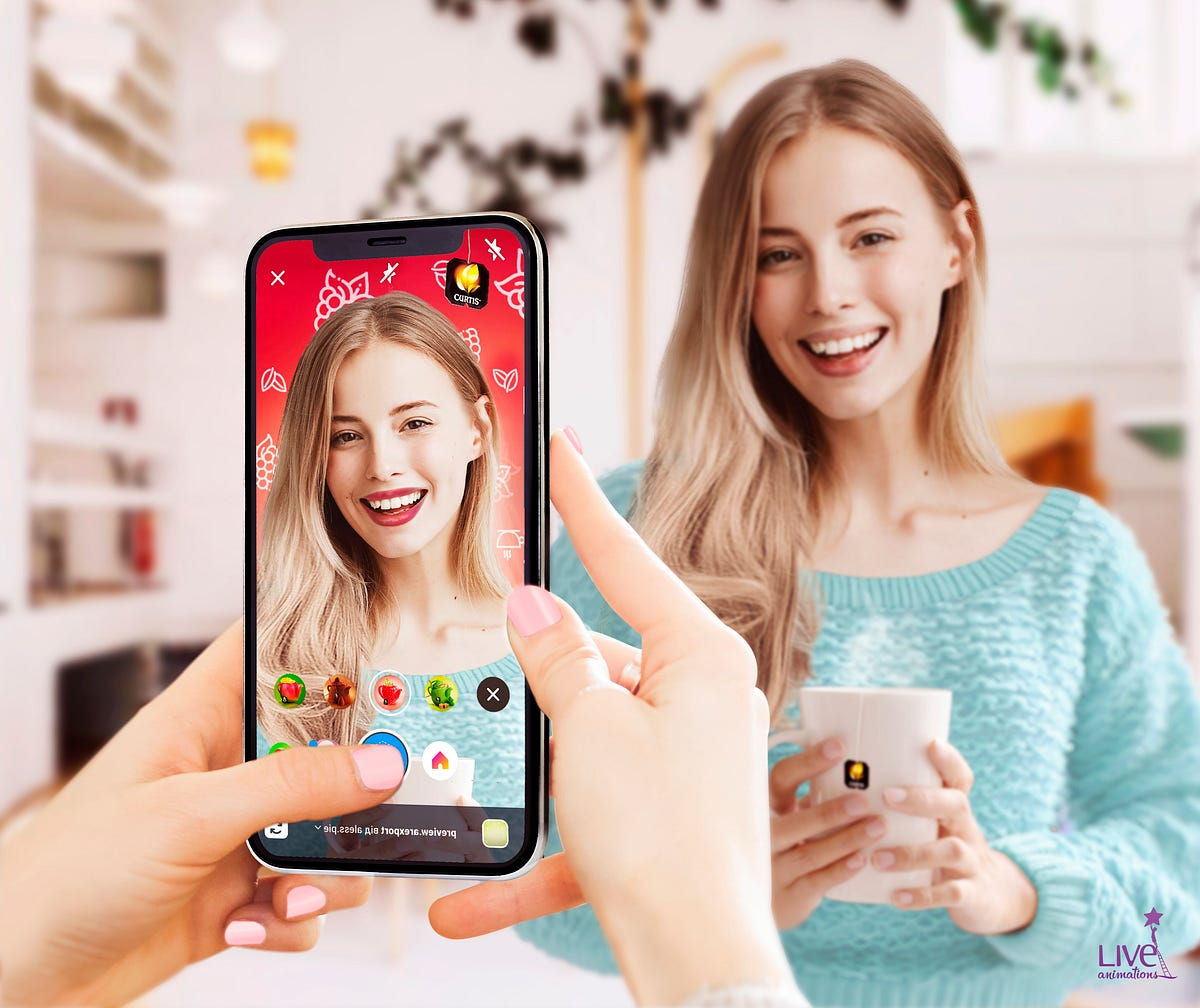
- Brands frequently use AR filters or social media features (e.g. Instagram, Snapchat) to engage users. These augmented reality social media marketing campaigns create content that users share, boosting organic reach
- Some noteworthy performances: • MAC Cosmetics used Instagram AR filters and generated 1.6 million impressions in a month, achieving ~2.4× higher conversion rates than traditional ads. SalesHub • Snapchat and others offer AR try-on tools often free to brands to encourage broader use. Vogue Business
Why AR Marketing Works (The Mechanisms)
To optimize any augmented reality marketing campaign, it helps to understand why it tends to work better than many traditional approaches.
- Visual & interactive engagement: AR allows consumers to experience rather than just see, which increases attention, dwell time, and emotional connection.
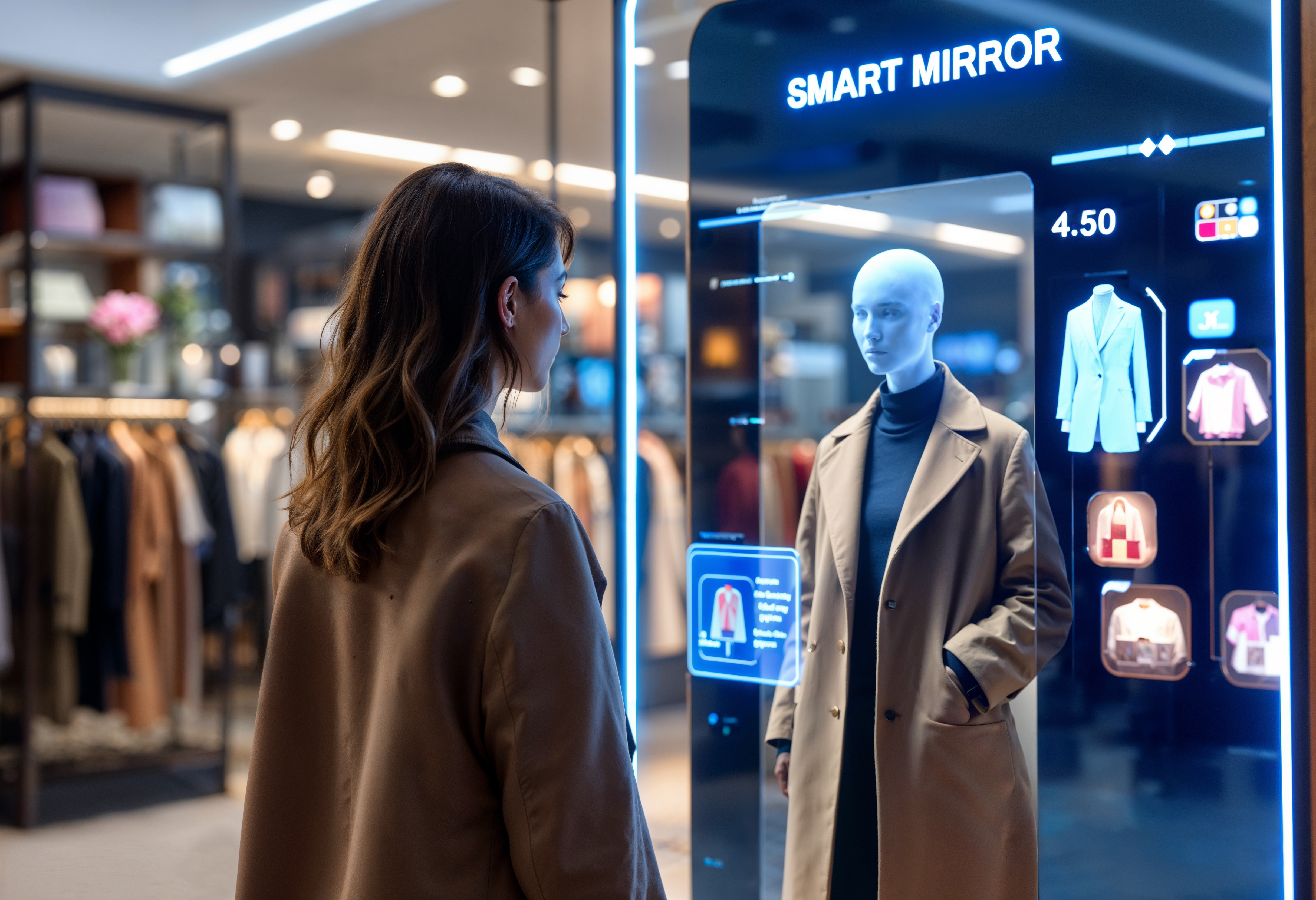
- Reduced friction & buying hesitancy: Virtual try-ons or visualizations reduce uncertainty (about fit, look, size etc.), which lowers return rates and increases purchase confidence.
- Social sharing & virality: AR experiences are often shareable. Users like sharing a selfie with an AR effect or showing how a product would look in their room; that amplifies reach at low additional cost.
- Personalization & relevancy: AR apps can adapt to user context (their space, environment, appearance), which resonates more than generic advertising.
- Memorable & brand differentiation: AR marketing campaigns that are executed well stand out; they offer novelty and “wow” factor, which boosts brand recall
Challenges & What to Watch Out For
While AR offers many opportunities, it's not without hurdles. Marketers need to be aware of:
- Cost of development and maintenance of high-quality AR content (3D models, rendering etc.).
- Device limitations (smartphones with decent camera, AR-capable hardware).
- UX issues: alignment and tracking must be accurate or experience can feel cheap or frustrating.
- Integration with other channels: AR should complement other marketing and retail channels not replace them.
- Measurement: defining the right metrics (e.g. engagement, conversions, return on ad spend) and attributing success properly.
How to Plan a Successful Augmented Reality Marketing Campaign
Here’s a roadmap for marketers who want to incorporate AR marketing, augmented reality apps, or AR social media marketing:
- Define clear objective(s): Brand awareness? Product trial? Return reduction?
- Choose target audience and platform(s): Mobile apps? Social platforms (Instagram, Snapchat)? In-store experiences?
- Produce high-quality AR visuals & experiences: Accurate 3D models, realistic textures, reliable tracking.
- Ensure usability & accessibility: Low latency, intuitive UI, work on a range of devices.
- Promote the experience, encourage sharing: Use QR codes, social media filters, influencer tie-ups.
- Measure & iterate: Track metrics like reach, dwell time, engagement, conversion lift, return rates. Adjust based on data.
Looking Ahead: Trends & Forecasts
- The global augmented reality in retail market is forecasted to grow from about USD 7.84 billion in 2024 to over USD 105.87 billion by 2033, with CAGR approx 32.4%. Grand View Research
- AR in retail revenues were valued ~$19.9B in 2024, projected to $64.4B by 2030. GlobeNewswire
- More than 30-40% of retail companies are integrating AR visualization tools (virtual try-ons, AR product previews). Business Research Insights
- Consumer preferences are shifting: 61% of consumers prefer product visualization via AR before purchase; also many consumers are willing to spend more on items they could experience via AR. Business Research Insights
Conclusion
Augmented reality marketing is becoming essential in many sectors, particularly retail. Real-life examples from brands like Pepsi, IKEA, Sephora, and many others show that augmented reality marketing campaigns and augmented reality apps for product visualisation lead to measurable benefits: higher engagement, fewer returns, more confident customers, and increased sales.
Thomas P. Caudell’s early conceptualisation of AR “augmenting the user’s reality” underscores the core promise: enhancing the real world with value-adding digital layers. The brands that succeed will be those that deliver AR experiences that are not gimmicks but truly useful, user-friendly, shareable, and integrated well into the customer journey.
Frequently Asked Questions
Common metrics include engagement time, interaction rate, social shares, conversion lift, return rate reduction, and return on ad spend.
Studies show that over 40% of consumers prefer AR-based product visualization, AR users engage longer with content, and return rates can drop by up to 25% when AR visualization is used.
Timelines depend on complexity. Simple WebAR or social filters can be launched in weeks, while custom AR applications may take several months.
Similar Posts

Valentines Day Cards Printable: Cute, Funny & Meaningful Options

Valentines Day Basket Ideas: Thoughtful Gift Baskets for Every Personality

Valentine’s Date Ideas 2026: Romantic & Thoughtful Ideas for Every Personality

Valentine Week 2026: Complete Valentine Day List
Augmented Reality Cards (AR Cards): What They Are, How They Work + Exampless

Self Care Gift Package Ideas that Relieve Stress and Bring Comfort

Budget-Friendly Last-Minute Anniversary Gifts for Her

Last Minute Valentine’s Day Gifts for Him and Her (Budget edition)
20 Funny Birthday Wishes for Brother (Reddit’s Best Picks)

Best Budget Last Minute Anniversary Gifts for Him (That Don’t Feel Rushed)
Secret Santa Gift Ideas for Coworkers: Under $20 (That Don’t Suck!)